

Is It Okay to Cut Out Toxic People? Finding Peace in Letting Go
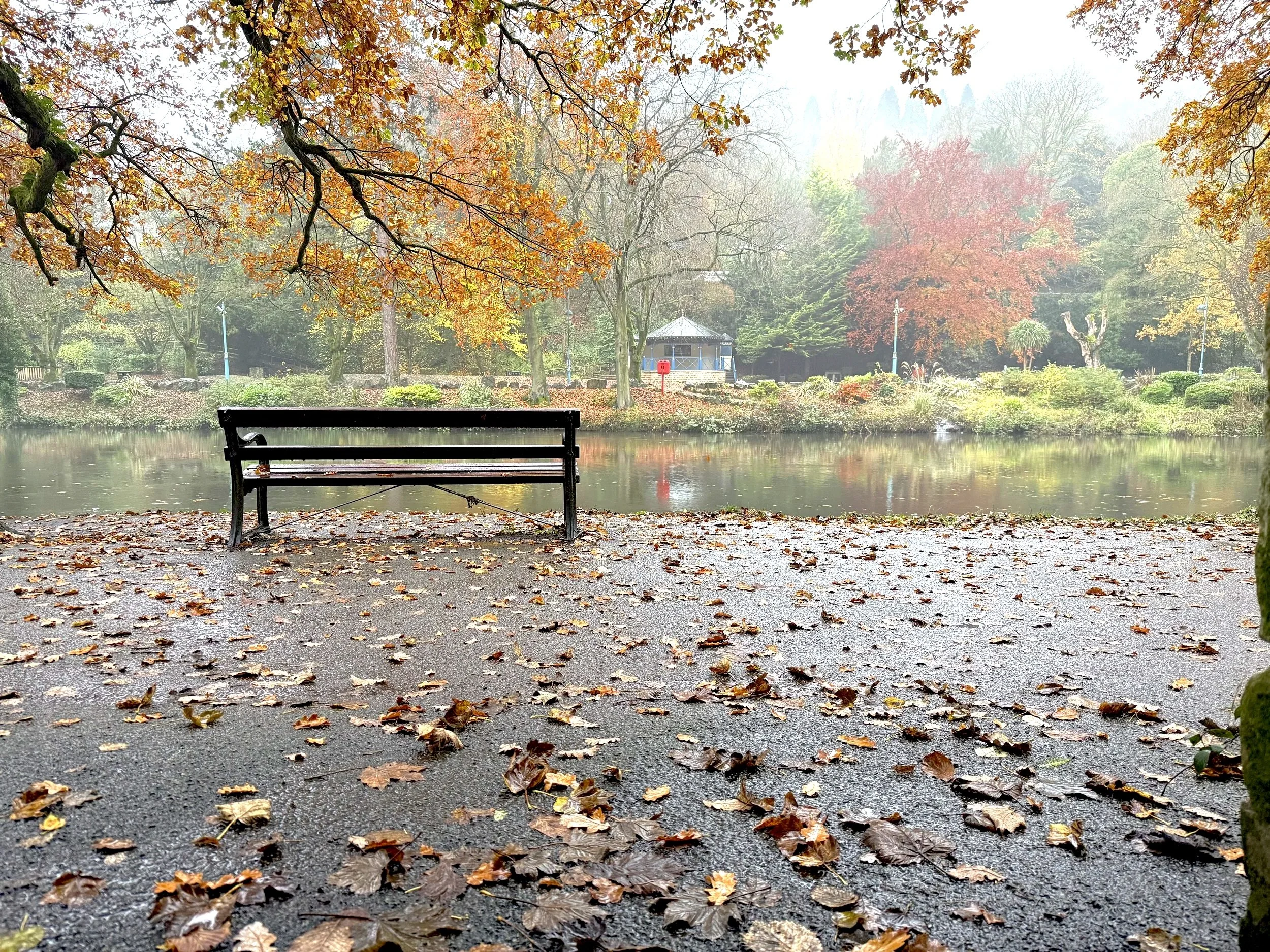
A quiet place to sit, breathe, and remember that peace doesn’t need to be earned — it just needs to be protected.
Have you ever asked yourself why we feel so obligated to keep certain family members in our lives, even when they’re our biggest source of stress?
Maybe it’s that old saying, “blood is thicker than water,” or the idea that sharing DNA means we owe them endless forgiveness.
But why do we feel so much pressure to hold on to people who bring chaos, when life could be so much more peaceful without them?
What if I told you that you’re allowed to let go — and that peace can exist on the other side of guilt?
This post isn’t about vilifying family or encouraging impulsive decisions. It’s about recognising that your peace matters, and sometimes protecting it means choosing distance over dysfunction.
Of course, not every difficult relationship needs to end — but when the pain outweighs the peace, it’s okay to step back.
The Myth of Family Obligation
We’ve all heard that familiar line: “But they’re family.”
It’s said as if those three words can excuse almost anything — betrayal, manipulation, even outright cruelty. For years, I believed it too, mostly because that’s what we’re taught — that family should come first no matter what. But even while I tried to live by that rule, something about it never sat right with me. I thought it was my job to hold everyone together, to fix what was broken, and to keep the peace at any cost.
However, over years of hurt and regret, I realised that “but they’re family” isn’t a reason to keep someone in your life — it’s often the reason you stay stuck in pain.
“‘They’re family’ isn’t a reason to keep someone in your life — it’s often the reason you stay stuck in pain.”
So why does this belief hold such power over us? I think it’s rooted in history. For most of human existence, survival depended on sticking close to our tribe. We didn’t have much choice. But society has changed — our world is wider now. We build communities from shared values, not just shared DNA.
Here’s the twist: the saying “blood is thicker than water” actually comes from a longer phrase — “the blood of the covenant is thicker than the water of the womb.” In other words, the bonds we choose can be stronger than the ones we’re born into.
Real love isn’t about blind obligation or tolerating harm. It doesn’t come with terms and conditions attached. Sometimes love simply means wishing someone well from a safe distance.
And while I’ve focused on family here, the same truth applies to friends, partners, or anyone whose presence constantly drains you. Peace isn’t about who you remove — it’s about what you make space for.
The Guilt That Comes With Distance
When I first created distance, I felt a giant wave of relief. I no longer had to dread the phone ringing or brace myself for the next outburst. The silence felt unfamiliar at first, almost disorienting — but it was a calm I hadn’t known for years.
Of course, relief never comes on its own. There was sadness too. Choosing distance forced me to face the fact that it wasn’t all bad; there had been good moments mixed in with the chaos. But the good bits never outweighed the stress, and that reminder helped quiet the guilt that tried to creep in.
Guilt, I’ve learned, is almost inevitable when you walk away from family. Maybe it’s years of being told that good children don’t turn their backs — or that forgiveness must be endless. Whatever its source, guilt doesn’t mean you made the wrong decision; it just means you care.
“Guilt doesn’t mean you made the wrong decision; it just means you care.”
With time, guilt changes shape. It fades into the background, occasionally resurfacing like an echo, but clarity — and peace — speak louder now. Every calm morning, every stress-free holiday, every moment when my own family feels settled reminds me that I made the right choice — not just for me, but for them.
If you’re sitting with that same guilt, know this: wanting peace for yourself and your family isn’t selfish. It’s necessary. The calm that follows will always outweigh the guilt that comes before it.
The Calm After the Storm
When I finally gave myself permission to step away, the relief was immediate. Once the realisation settled in that I no longer had to carry everyone else’s chaos, it felt like a weight I’d been dragging for decades had finally been cut loose. Everyday life feels lighter now. Family moments are calmer, conversations are honest, and I’m surrounded only by people I can actually relax around.
“Once the realisation settled in that I no longer had to carry everyone else’s chaos, it felt like a weight I’d been dragging for decades had finally been cut loose.”
Now, peace doesn’t feel foreign anymore — it feels like coming home. So what does peace actually look like? For me, it’s family stability: people you can depend on, talk to without fear of judgement, and trust to be rational rather than reactive. It’s calm, dependable, and quietly joyful. If I had to picture it, it would be that same calm ocean after the storm — steady, open, and safe.
Reclaiming Peace: Protecting What You’ve Built
Maintaining that peace takes intention. When my mum tried to reach out, I sometimes sent a short note or a card, but I didn’t take her up on phone calls. I knew those conversations would reopen old wounds I was still healing from.
People often told me I should make amends — “you only have one mother.” I’d respectfully remind them that while that’s true, she was also the main source of stress in my life. Protecting my peace didn’t erase my love for her; it simply meant I was done sacrificing my wellbeing for it.
“Protecting my peace didn’t erase my love for her; it simply meant I was done sacrificing my wellbeing for it.”
If you’re not ready to go completely no-contact, small boundaries can make a world of difference. You might choose to write letters instead of having phone calls, mute messages for a while, or take breaks from contact altogether. Those small pauses give you space to think — to decide whether the relationship can heal or whether it’s time to let it go.
Taking care of your own peace isn’t selfish; it’s essential. When you’re calm and grounded, everyone around you benefits — your partner, your children, your friends. Protecting your peace protects theirs too.
As for the opinions of others? They’re coming from their own experiences, not yours. Let them have their perspective — you get to have yours too.
Looking Back and Moving Forward
If I could talk to my past self, I’d tell her to stop trying to fix everyone else’s problems — and to walk away much sooner. I wasted so much energy trying to hold a family together that didn’t want to be held. Honestly, I’d probably give her a gentle shake and tell her that peace was waiting the whole time — she just had to give herself permission to choose it.
“You can feel both guilt and relief, and still be doing the right thing.””
If you’re reading this and standing on that same edge, I want you to leave with this: you can feel both guilt and relief, and still be doing the right thing.
Peace isn’t dramatic. It’s quiet, steady, and honest. It’s the moment you realise that calm doesn’t need to be earned — it just needs to be protected.
